Santiago
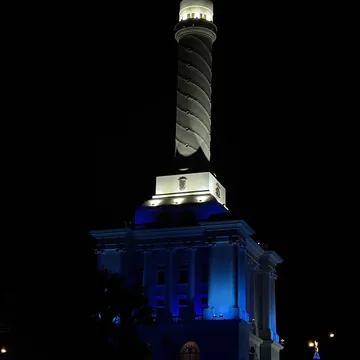
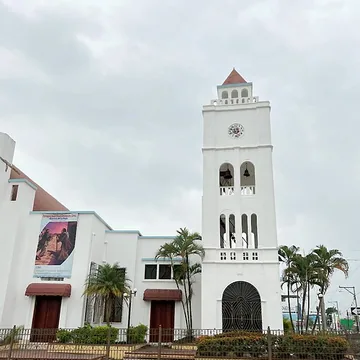
Hodelpa Gran Almirante Hotel & Casino
Called the best hotel in downtown Santiago by Fodor’s, with a spa, a casino and executive floors.
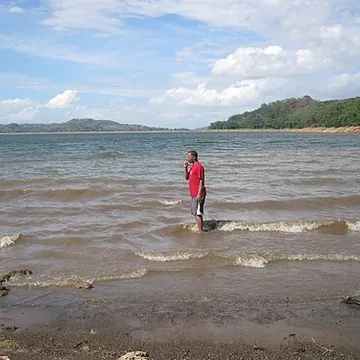
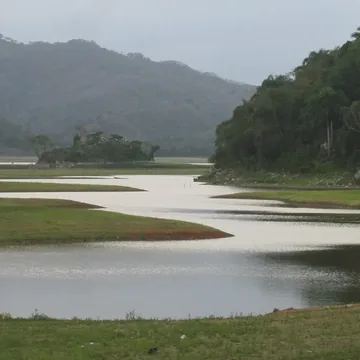
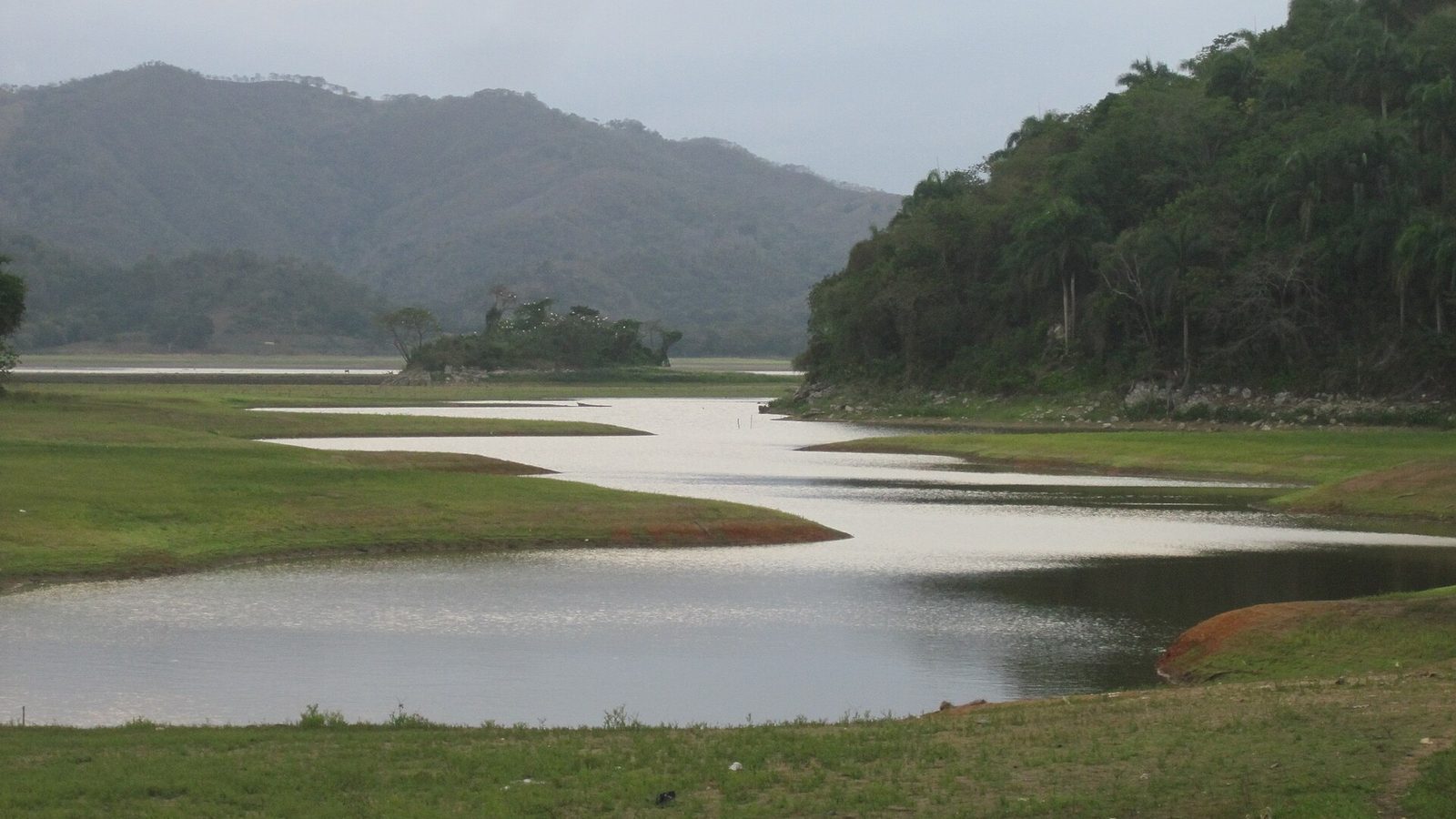
Discover Santiago →The lake of Hatillo, from Pueblo Nuevo
Home › The Eight Shores › Jarabacoa & Constanza › Sánchez Ramírez
Cotuí · The valley of the Yuna
The great lake of Hatillo, in the valley of the Yuna…
Sánchez Ramírez
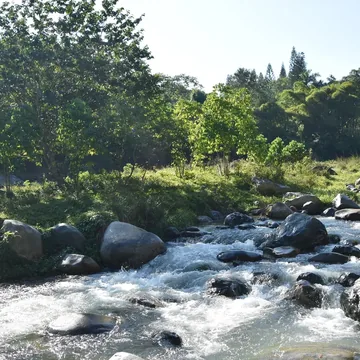
Sánchez Ramírez, in the green valley of the Yuna at the heart of the Cibao, is the land of Cotuí, founded in 1505, one of the first towns of the Spanish in the Americas, and of Hatillo, the largest reservoir in the Caribbean islands: a lake about 22 km long among the hills, with Taíno caves, rice fields and pineapple farms around it.
Sánchez Ramírez has simple hotels; for a first-class stay, choose Santiago or the mountains of Jarabacoa, and come for the lake.
Updated November 27, 2026
At a glance
Why go
Cotuí is one of the oldest towns in the Americas: the Spanish founded it in 1505, in the first years of the colony. In 1762 it gave birth to Juan Sánchez Ramírez, who led the Dominicans to victory over the French at Palo Hincado in 1808 and governed the colony until his death in 1811; the province, created in 1952, carries his name.
Today the valley of the Yuna is one of the country’s great rice valleys, watered by the lake of Hatillo, and the hills around Cevicos grow pineapple and spices: cloves, cinnamon and nutmeg. Cotuí’s carnival is among the oldest in the country, and the Fiesta del Espíritu Santo, with roots in the sixteenth century, is still kept every May and June.
Hatillo
Built between 1977 and 1984, the Hatillo dam holds back the Yuna, the Camú and their rivers in a long lake among wooded hills, about 22 km from end to end. It irrigates the rice fields of the valley and gives the region its fishing: anglers come for the Cotuí Bass Open, and a ferry carries visitors across the water.
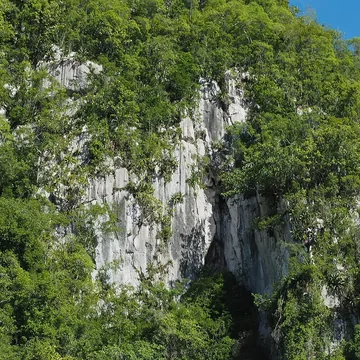
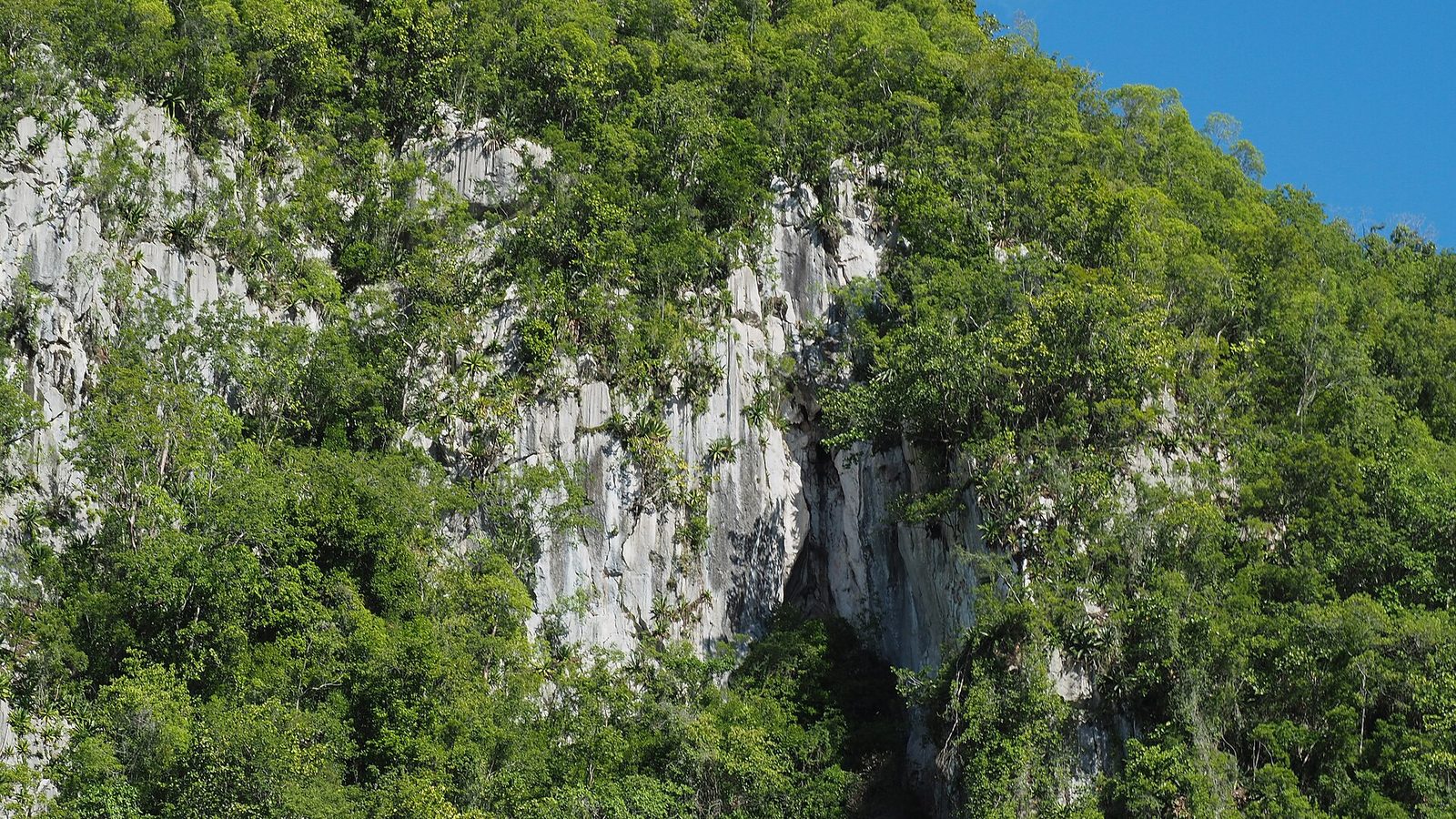
Across the lake, a mountain trail leads to the Hoyo de Sanabe, a great cave, and the hills around Hatillo hide more than twenty Taíno caves, or guácaras, with rock art, said to be one of the richest concentrations in the Caribbean.
Where to stay
The finest stays are in Santiago and in the mountains.
Santiago
Called the best hotel in downtown Santiago by Fodor’s, with a spa, a casino and executive floors.
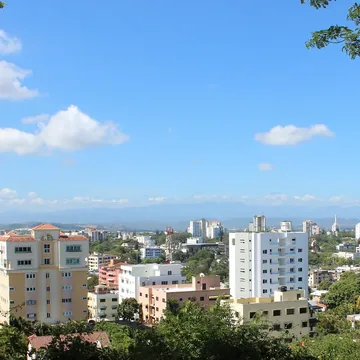
Discover Santiago →Santiago
Nineteen rooms in an Art Deco hotel on the mountain road, with views over the city and the mountains.
Discover Santiago →Jarabacoa
On the river, with a spa, indoor and outdoor pools and kayaking.
Discover Jarabacoa →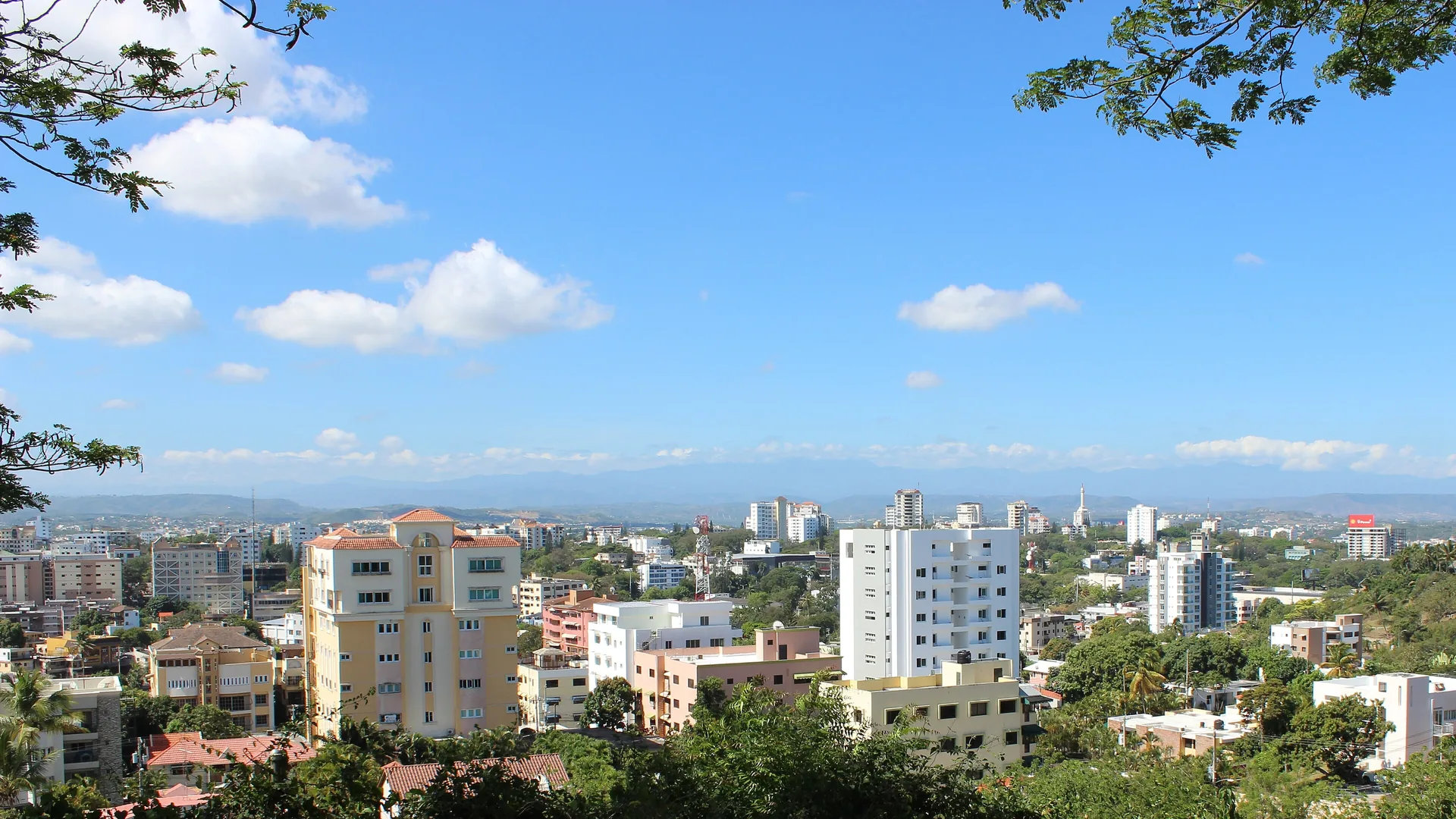
Places are chosen by our standard; none can pay to be listed here. Partner listings, when they appear, are clearly marked as paid.
Things to do
Cotuí
The largest reservoir in the Caribbean islands, by boat.
Across the lake
A great cave, reached by boat and a mountain trail.
Around Hatillo
Taíno caves with rock art in the hills.
The capital
One of the first towns of the Americas, founded in 1505.
The heart of the island
Cándido Bidó’s museum and the Saltos de Jima.
Discover Bonao →The land of cacao
The capital of Dominican cacao, to the north.
Discover San Francisco de Macorís →The calendar
Questions
In the center of the country, in the valley of the Yuna in the Cibao, between Bonao, La Vega and San Francisco de Macorís. Its capital is Cotuí.
A dam on the Yuna River about 6 km southwest of Cotuí, built between 1977 and 1984; its lake is the largest reservoir in the Caribbean islands.
A native of Cotuí who led the Dominicans to victory at the Battle of Palo Hincado in 1808 and governed until his death in 1811.
In 1505, one of the first towns founded by the Spanish in the Americas.
Checked November 27, 2026. Prices, dates and rules can change: confirm with each hotel, airline and official source before you travel. For entry rules, see the US State Department’s page for the Dominican Republic and the Dominican Republic’s own E-Ticket site.
Keep exploring