Colonial City, Santo Domingo
Casas del XVI
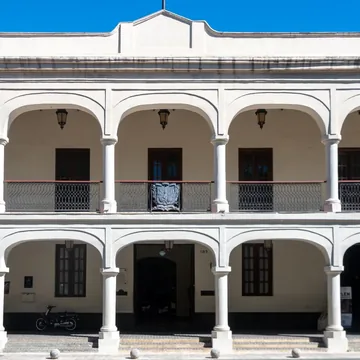
Restored sixteenth-century houses; a MICHELIN Key hotel and a World Travel Awards winner.
Discover Casas del XVI →The wetland at the mouth of the Nigua, San Cristóbal
Home › The Eight Shores › Santo Domingo › San Cristóbal
San Cristóbal · Cradle of the Constitution
Where the Republic wrote its first Constitution…
San Cristóbal
San Cristóbal, just west of Santo Domingo, is where the young Dominican Republic proclaimed its first Constitution on November 6, 1844, and it keeps, in the caves of El Pomier, the largest collection of prehistoric rock art in the Caribbean, with the beaches of Najayo and Palenque on the coast below.
San Cristóbal is an easy day from Santo Domingo; stay in the capital’s finest hotels and come for the caves and the beaches.
Updated November 22, 2026
At a glance
Why go
San Cristóbal calls itself the Cuna de la Constitución, the cradle of the Constitution. Here, on November 6, 1844, in the first year of the Republic, the constituent congress proclaimed the country’s first Constitution, which remained in force for a decade, and November 6 is still celebrated each year as Constitution Day. The Monumento a los Constituyentes honors the men who wrote it.
The church where it was signed was ruined by the earthquake of 1946, and in its place rose the Iglesia de Nuestra Señora de la Consolación, designed by the Paris-trained architect Henry Gazón Bona. Inside, the Spanish painter José Vela Zanetti covered the walls with murals of the great chapters of the Gospels, and the church is considered one of the most interesting in the country.
The caves
North of the city, the Cuevas del Pomier are a karst hill of dozens of limestone caves holding thousands of drawings and engravings made by the island’s first peoples, the largest collection of prehistoric rock art in the Caribbean. They were made known in the mid-nineteenth century by the British consul Sir Robert Schomburgk. Radiocarbon dating by the University of Oxford, in a project of the Museo del Hombre Dominicano, has shown the paintings span the centuries from the eleventh to the arrival of the Spanish.
In 1996 the anthropological reserve was enlarged to protect the caves from limestone quarrying, and today guides from the reserve lead visitors through the first caves, where rare species shelter beside drawings made over five centuries. Wear closed shoes and bring water.
The coast
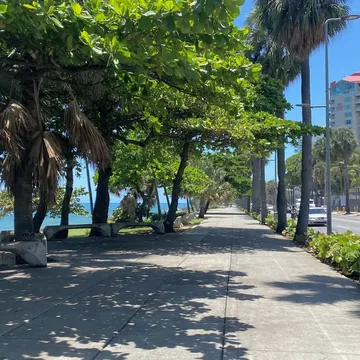
The coast below the city is where the capital comes to swim. Playa Najayo, minutes from town, has grey sand and small pebbles and calm, crystal-clear water, loved by families for its peace; Palenque, farther west, is a palm-lined beach of dark sand with turquoise, shallow water and fish restaurants on the shore.
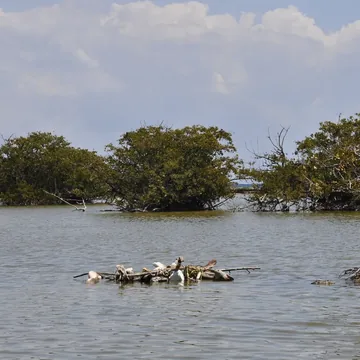
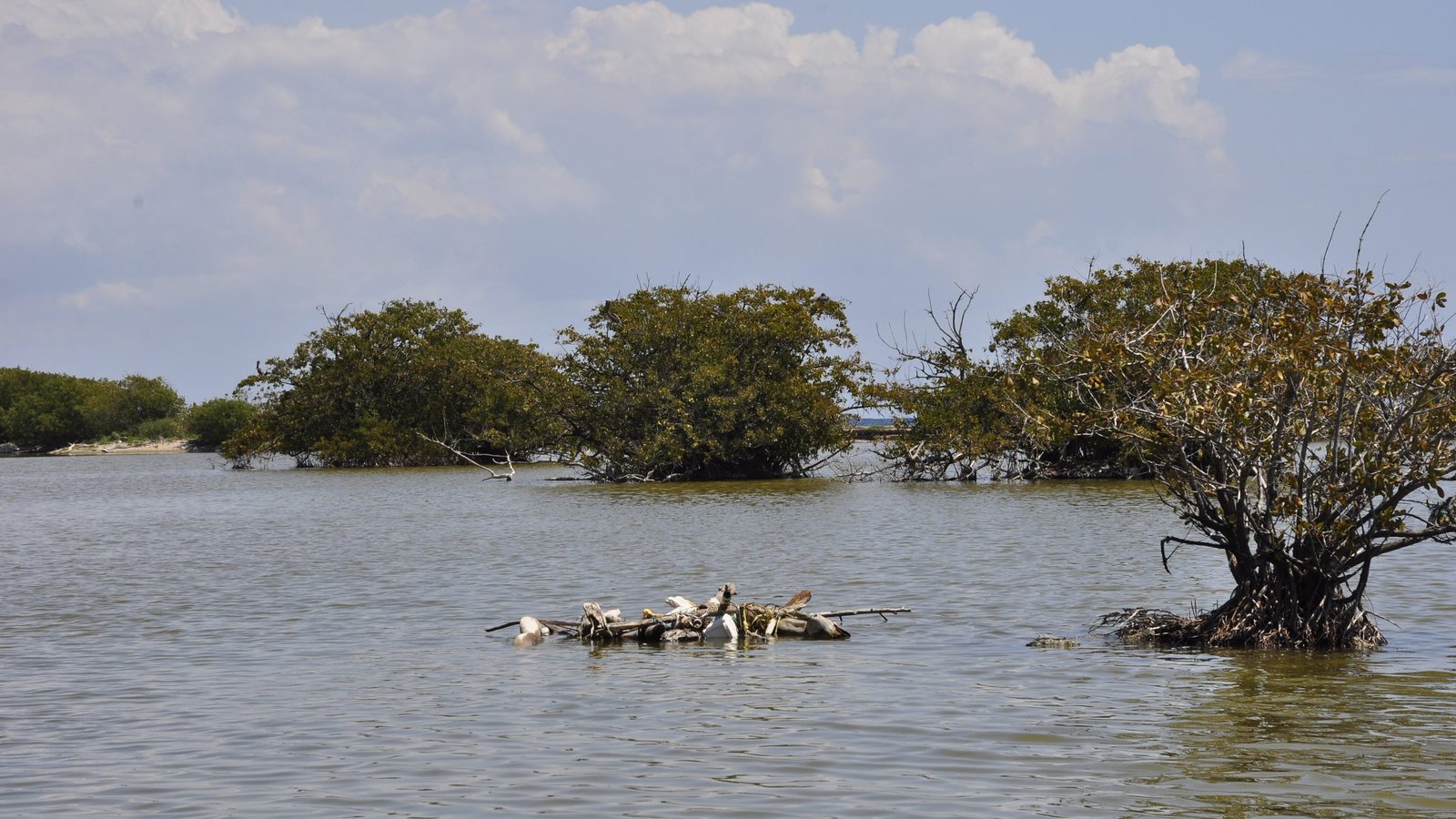
Inland, the province is a land of rivers: the balneario of La Toma, the pools of the Nizao at Los Cacaos and the river Haina draw Dominican families every weekend. Nigua has an ecological park and a coastal wetland at the mouth of its river, and the ruins of colonial sugar mills, among them the Diego Caballero mill, recall the centuries when San Cristóbal grew sugar and tobacco.
Where to stay
Stay in the capital, a short drive east.
Colonial City, Santo Domingo
Restored sixteenth-century houses; a MICHELIN Key hotel and a World Travel Awards winner.
Discover Casas del XVI →Colonial City, Santo Domingo
A boutique hotel in the old town, much loved by its guests.
Discover Kimpton Las Mercedes →Piantini, Santo Domingo
Forbes Travel Guide Recommended 2026.
Discover JW Marriott Santo Domingo →Places are chosen by our standard; none can pay to be listed here. Partner listings, when they appear, are clearly marked as paid.
Things to do
North of San Cristóbal
The Caribbean’s greatest collection of prehistoric rock art, with a guide.
San Cristóbal
The murals of José Vela Zanetti.
The coast
Calm, clear water a few minutes from town.
The coast
Palms, turquoise shallows and fish on the beach.
Santo Domingo
The first city of the Americas, a short drive east.
Discover The Colonial City →The South coast
The dunes and the salt flats, farther west.
Discover Baní →The calendar
Questions
Because the Dominican Republic’s first Constitution was proclaimed there on November 6, 1844.
A reserve of limestone caves north of San Cristóbal with thousands of prehistoric drawings and engravings, the largest collection of rock art in the Caribbean.
Najayo for calm water close to town; Palenque for palms and turquoise shallows.
The Spanish painter José Vela Zanetti.
Checked November 22, 2026. Prices, dates and rules can change: confirm with each hotel, airline and official source before you travel. For entry rules, see the US State Department’s page for the Dominican Republic and the Dominican Republic’s own E-Ticket site.
Keep exploring